Sumber Foto: konstruksimedia.com
Teknologi
ITS Kembangkan Teknologi STRC untuk Optimalisasi Energi Terbarukan
Media Construction – Another technological innovation was born from (ITS) through the development of the Solar Tracker–Rainfall Collector (STRC) model to maximize solar energy capture.
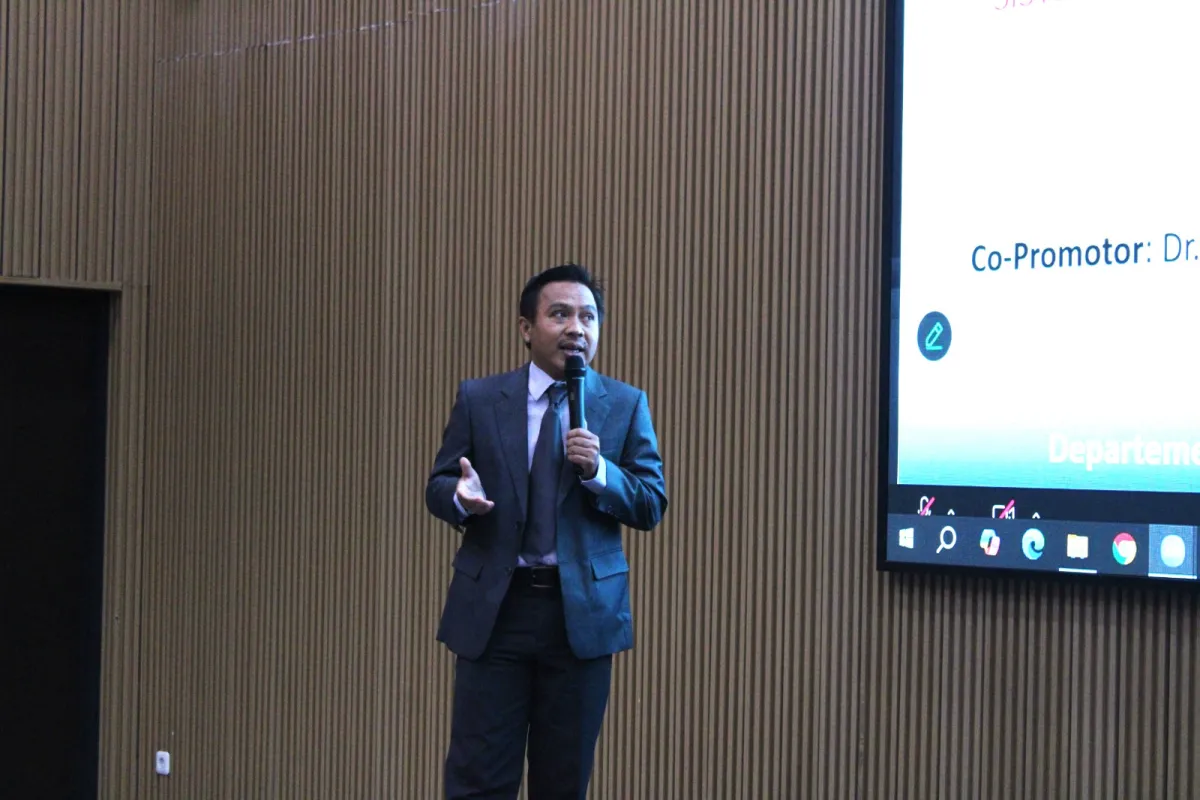
This research was initiated by Dr. Akhmad Musafa ST MT by integrating STRC into the Photovoltaic–Pumped Hydro Storage–Rainfall Storage (PV-PHS-RS) system as a more sustainable energy storage solution.
Musafa explained that this approach was designed to overcome the limitations of conventional batteries, which have a limited lifespan and the potential to become waste. In the system he developed, the battery's function is replaced by pumped hydro storage (PHS) as the energy storage medium.
"Broadly speaking, PHS works in two operating modes, namely pumping and generating modes, which are analogous to charging and discharging a battery," he said, (20/02/2026).
During the day, photovoltaic (PV) panels capture solar energy and convert it into electricity. This energy is then used to pump water from the lower reservoir to the upper reservoir as a form of energy storage.
Conversely, when there is no sunlight supply, water from the upper reservoir flows back down to turn the turbine connected to the generator so that it continues to produce electricity.
To address the decline in energy production during the rainy season, Musafa added the STRC model to its system. The solar tracker optimizes sunlight absorption, while the rainfall collector collects rainwater to refill the upper reservoir.
Research Collaboration with Universities
Penelitian disertasi ini dibimbing oleh Prof. Dr. Ir. Mauridhi Hery Purnomo MEng sebagai promotor, serta Dr. Eng. Ardyono Priyadi ST MEng dan Vita Lystianingrum BP ST MSc PhD sebagai co-promotor. Ketertarikan Musafa pada teknologi photovoltaic telah berkembang sejak 2016, termasuk melalui kolaborasi riset dengan Universitas Budi Luhur, tempat ia mengabdi sebagai dosen.
Melalui inovasi ini, Musafa berharap sistem PV-PHS-RS dapat diimplementasikan di masyarakat, terutama di daerah yang masih terbatas akses listriknya. Energi yang dihasilkan diharapkan mampu mendukung kebutuhan irigasi pertanian, layanan posyandu, hingga klinik di wilayah terpencil.
Riset ini sekaligus menegaskan komitmen ITS dalam mendorong pengembangan energi bersih yang sejalan dengan target Sustainable Development Goals (SDGs), khususnya poin energi bersih dan inovasi infrastruktur.